
SEPTEMBER 2026
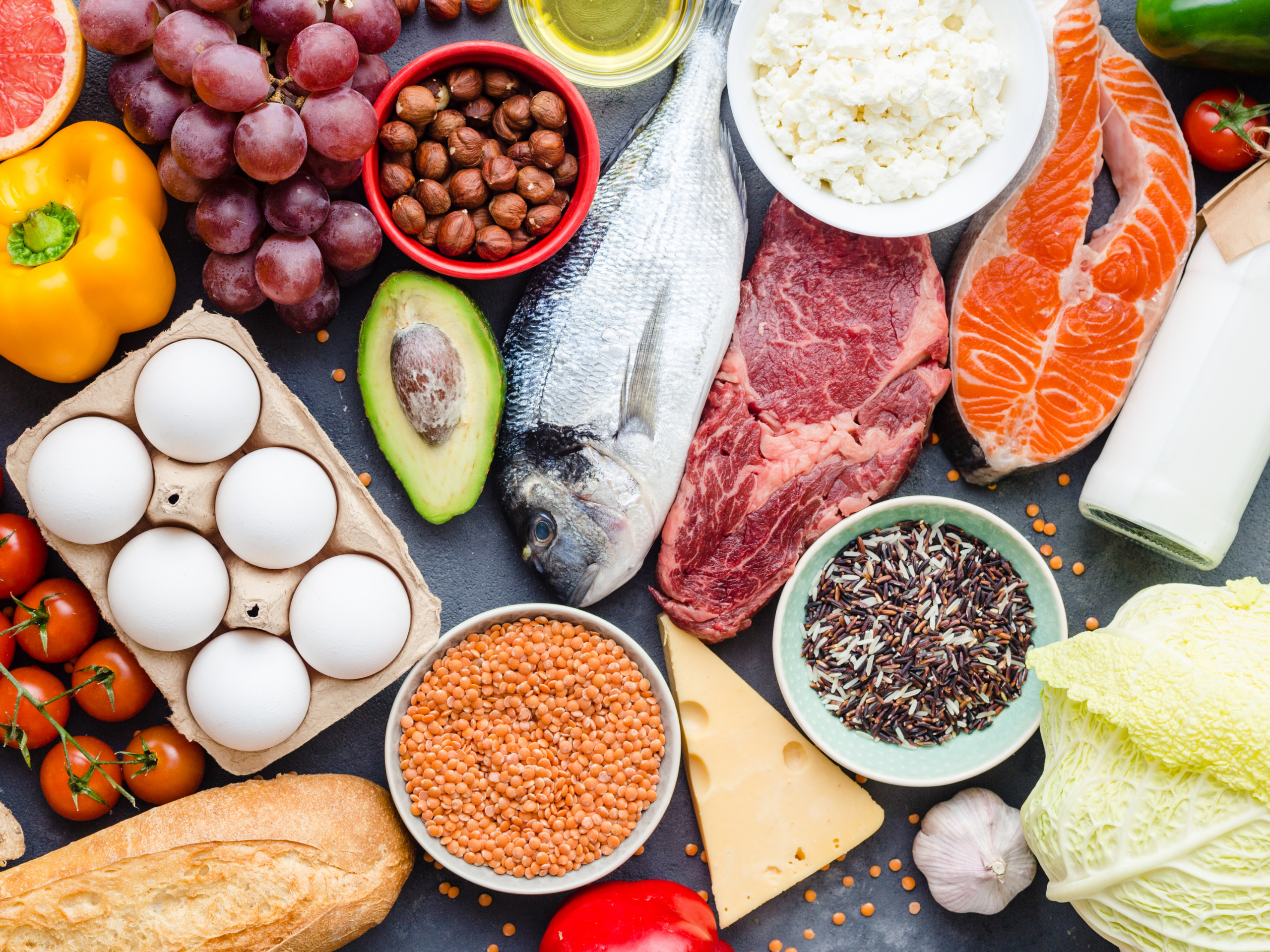
Food Borne Illness and Food Safety Practices
Did you know that the CDC estimates that more than 48 million Americans a year become sick with a food borne illness? Older adults over 65 have an increased risk for hospitalization and death from food borne illnesses due to chronic conditions like diabetes or kidney disease, gastrointestinal track changes that come with aging, and medication side effects. Over 250 food borne illnesses have been identified that cause infections from bacteria, parasites, and viruses. The most commonly seen food borne illnesses (food poisoning) include Norovirus, Salmonella, Listeria, and Campylobacter.
Symptoms most often include upset stomach, stomach cramping, nausea, vomiting, diarrhea, and fever. The symptoms may be mild or severe and can take anywhere from a matter of hours to up to 2 weeks to show up. Many mistake a food borne illness with the flu or “bug” as they do not make a connection with what they ate last week or 3 days ago to the present. This is why food safety should always be first and foremost.
Consuming the following foods can also put one at a higher risk for food poisoning:
What safety steps can one take?
- Wash your hands! 20 seconds with warm water and regular soap.
- Wash hands before handling any food, during food preparation, before wearing gloves, after discarding gloves, after handling used knives, cutting boards, utensils, always after using the restroom or touching your face, after touching animals or cleaning up after them, or after handling garbage.
- Regularly wash your kitchen towels and aprons and let them thoroughly dry.
- Replace your sponge every 1 to 2 weeks. Air dry between washings.
- Wash your produce—even the skins or rinds you do not plan on eating.
- Do NOT rinse fresh poultry. Only cooking to proper temperature will kill harmful bacteria that may be present and rinsing contaminates the sink and surroundings.
- Invest in a meat thermometer to ensure meat is cooked to proper temperature.
- Keep cold foods cold, under 41 degrees F.
- Do not defrost food on the counter. Defrost overnight in the refrigerator.
- Do not leave cooked food out for more than 2 hours. In hot weather, 1-hour tops.
- Regularly clean your refrigerator with warm soapy water, the shelves and doors too, and discard old or expired foods.
- Label and date all and any leftovers and seal properly. Use or toss within 3 days.
Food safety should always be a priority for all in maintaining health and well-being.
Stay informed! We all need to be our own best advocates for food safety. Follow links for more detailed information.
Denise Andreas, dandreas@swcaa.org
https://www.foodsafety.gov/keep-food-safe
https://www.cdc.gov/foodborne-outbreaks/about/index.html